

09 Jun Supporting Proactive Electrosurgical Equipment Replacement Planning
For many healthcare organisations, ageing electrosurgical equipment presents a growing challenge. While systems may continue to perform reliably for many years, unplanned equipment failures can have significant operational consequences, including disruption to theatre schedules, increased maintenance costs, and pressure on clinical teams.
As a result, more healthcare providers are taking a proactive approach to equipment lifecycle management, reviewing replacement options before existing systems reach the end of their service life.
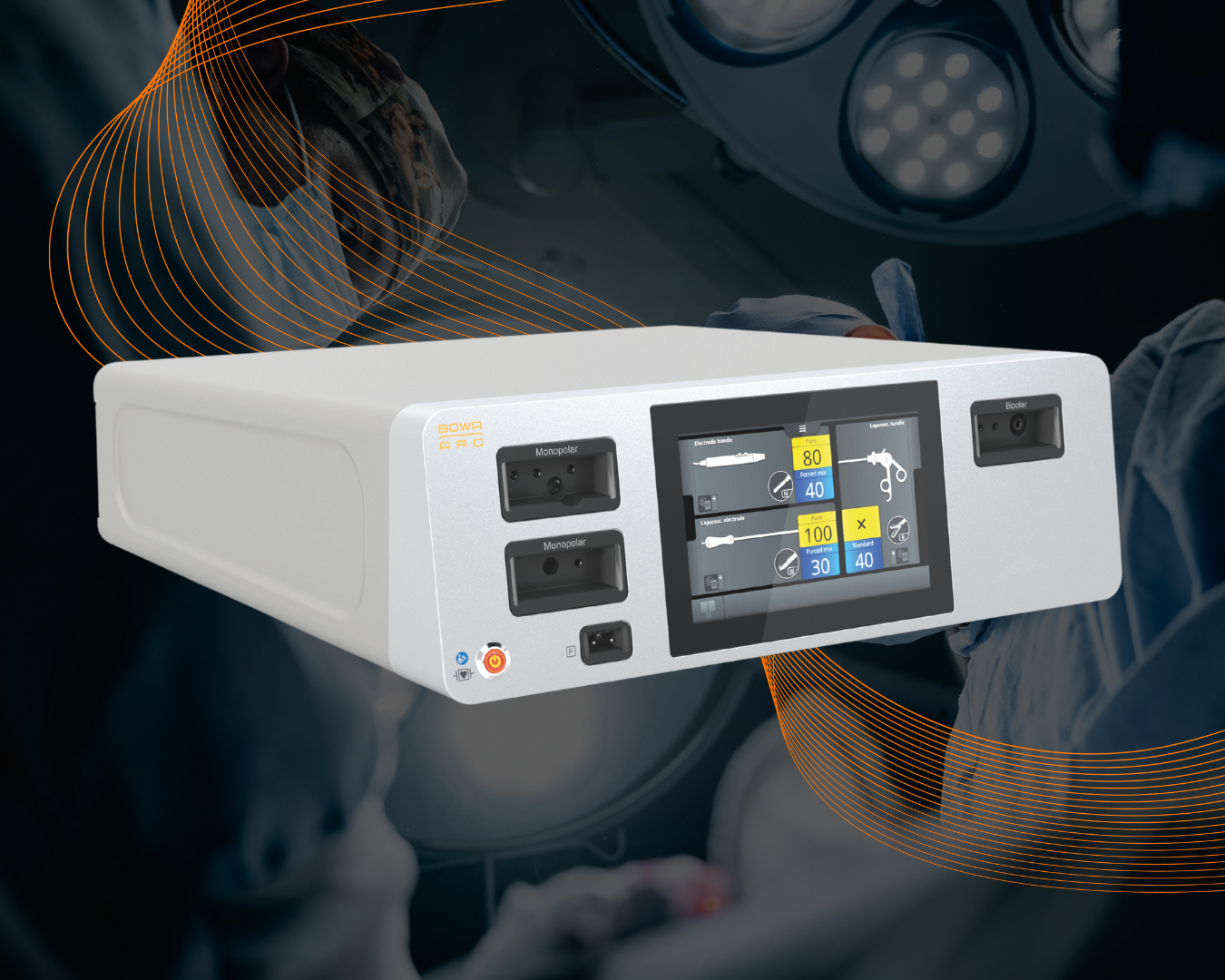
Recently, a healthcare provider began evaluating the ARC Type II electrosurgical system as part of its forward-planning strategy for theatre equipment. Rather than waiting for ageing technology to become a potential risk, the organisation is exploring available solutions now to help support future operational resilience and continuity of service.
This approach reflects a wider trend across healthcare, where clinical and operational teams are increasingly focused on reducing the risks associated with legacy equipment while ensuring technology continues to meet the evolving needs of modern surgical environments.
Initial observations from the evaluation highlighted the ARC Type II’s compact design, with the team noting its smaller footprint compared with their existing equipment. Efficient use of space remains an important consideration within operating theatres, where multiple technologies must coexist within often challenging environments.
Beyond the technology itself, successful equipment replacement planning requires access to the right support, training, and expertise to help organisations assess available options and make informed decisions for the future.
At BOWA MEDICAL UK, we work with healthcare providers to support long-term electrosurgical equipment planning through technology evaluations, clinical training, technical support, and ongoing partnership. By helping organisations assess their requirements before equipment becomes a critical issue, we aim to support a smoother transition to the next generation of surgical technology.
As healthcare providers continue to review their long-term equipment strategies, proactive lifecycle planning is becoming an increasingly important part of maintaining efficient, resilient, and future-ready operating theatres.


Sorry, the comment form is closed at this time.